Lead is an enormous problem in low- and middle-income countries.
Lead poisoning kills millions of people each year. Most of the burden falls on LMICs, where exposure is least measured and least controlled.
What we currently think about lead poisoning in LMICs
Two findings that guide where GRIT is working.
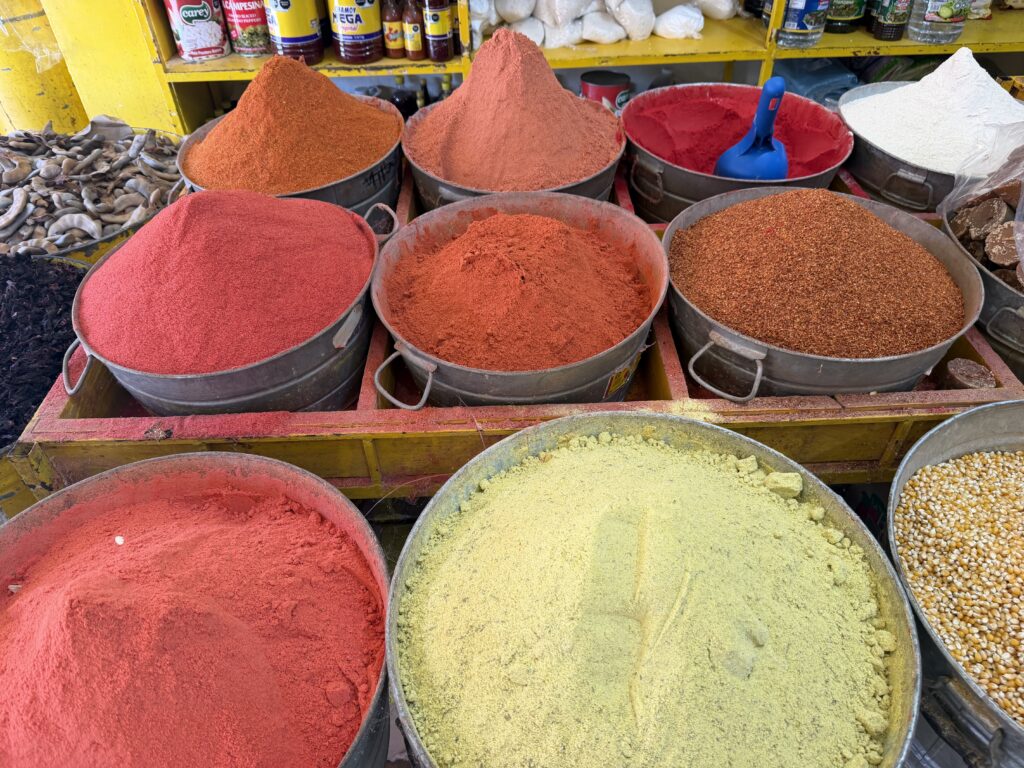
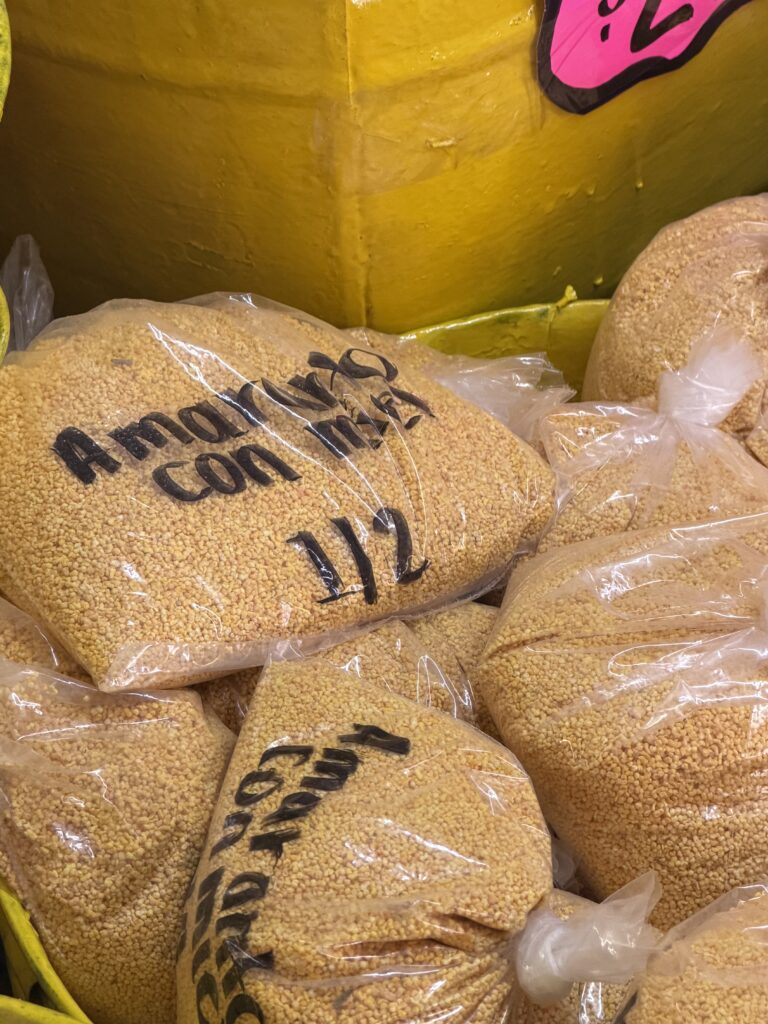
Food
Lead reaches people mainly through what they eat. Contaminated crops, especially staples and leafy greens, carry lead into the body every day.
Reference: The Lancet Global Health, 2026
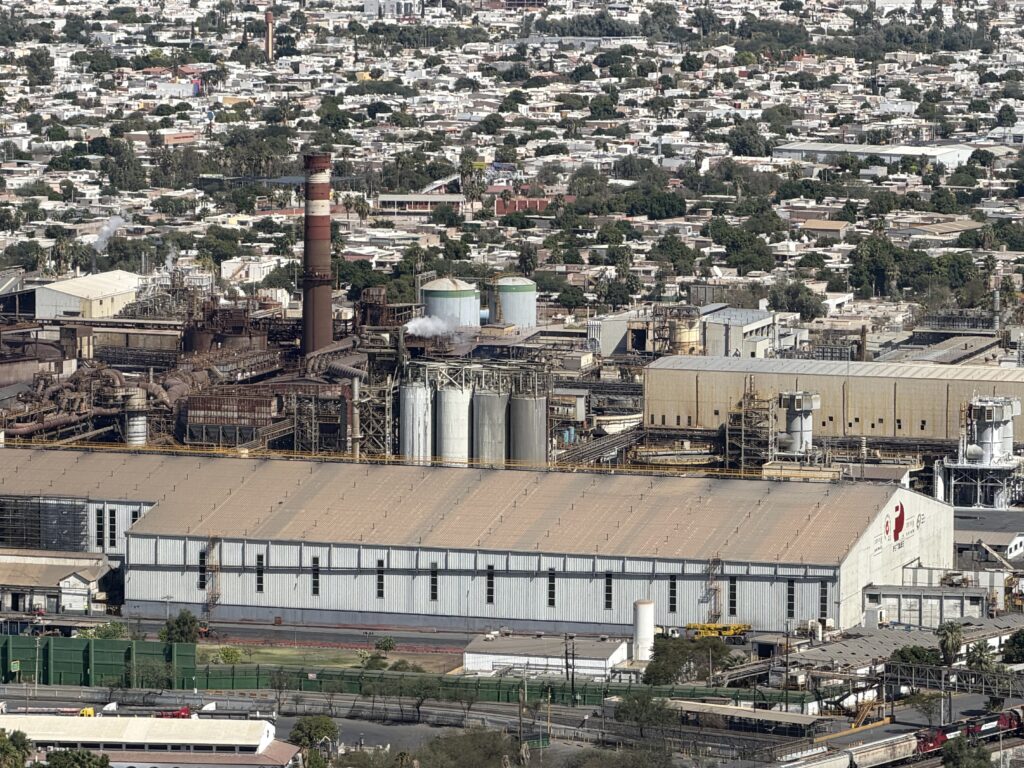
Industrial airborne emissions
Smelters, battery recyclers and steel plants release lead to the air. It settles on soil and crops, often at large distances, and enters the food chain.
Reference: GRIT, Quantifying the burden of sources of lead (Aug 2026)
Next steps
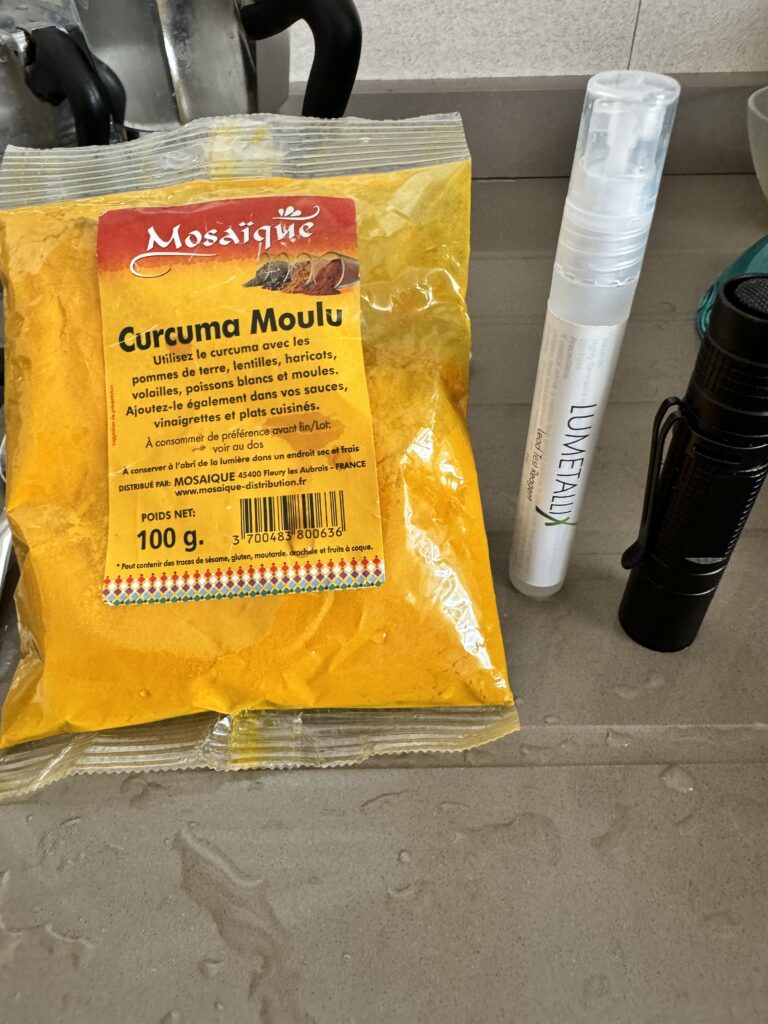
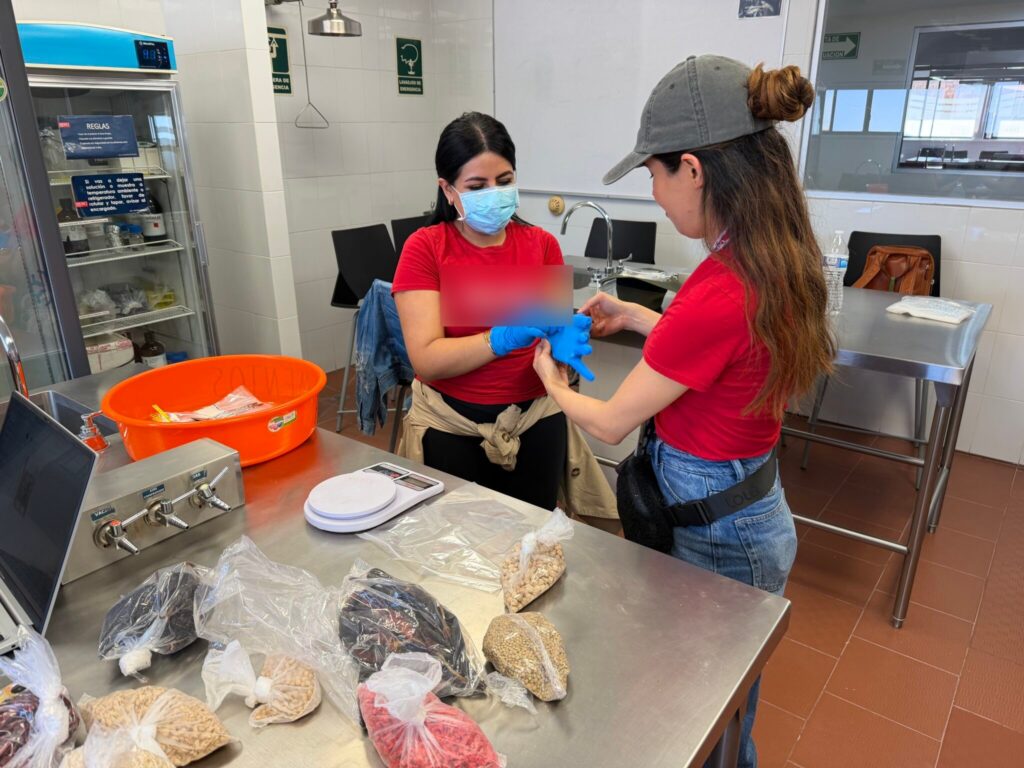
Measure lead in food through Total Diet Studies
Find out how much lead people actually eat, food by food.
Learn about Total Diet Studies →
Kinally C, Hu H, Fuller R. Quantifying the global burden of lead exposure from dietary lead intake. medRxiv preprint, 2026. doi:10.64898/2026.07.20.26358457
Use the Lead Burden methodology
Work out which sources contribute most to elevated blood lead levels.
High dose scenarios are especially important
Toxic sites often elevate BLLs to dangerous, even fatal levels.